
World Briefing 2026-10-09: Pacific freight peaks as the US-China truce holds
Pacific box rates slipped off a yearly high after Golden Week but stay elevated. A US-China truce, crude near $104, and Europe’s CBAM probe hit costs together.
Contents
- Key takeaways
- Pacific rates confirm a peak, then slip
- A two-month truce, and $30 billion in tariff cuts
- Brent back in the $100s
- Europe’s carbon border levy under a US probe
- Dollar-won around 1,343
- What shippers should check now
- FAQ
- How did container rates move on 8 October?
- Do the US–China tariff cuts apply now?
- Which goods does Europe’s carbon border levy cover?
Key takeaways
- The world container index fell 2% to $4,351 per 40-foot box on 8 October, with Shanghai–Los Angeles down 3% to $7,624 after the post-Golden Week peak.
- The US–China trade truce was extended by two months, and each side will cut tariffs to MFN levels on $30 billion of the other’s goods once legal steps are done.
- Brent was $103.92 a barrel late on 8 October, and the US opened a probe into Europe’s carbon border adjustment, with comments due by 9 November.
After Golden Week, Pacific box rates slipped off a yearly high but stayed elevated. A two-month US–China tariff truce, crude near $104, and a US probe of Europe’s carbon border levy hit freight, duties, and compliance together.
Pacific rates confirm a peak, then slip
Factory shutdowns during China’s Golden Week cooled east-west demand. The world container index assessed on 8 October fell 2% to $4,351 per 40-foot box. Shanghai–Los Angeles dropped 3% to $7,624 and Shanghai–New York 2% to $10,220. Shanghai–Rotterdam fell 2% to $3,337; Shanghai–Genoa was unchanged at $3,696.
Blank sailings on the Pacific next week fall from eleven to four, so capacity comes back. Asia–Europe goes the other way, from five blanks to six. That lane has now fallen for 13 straight weeks, and a faster return through Suez is adding space. The index is expected to hold steady next week.
A separate spot series put Far East–US West Coast at $8,346 per FEU and Far East–US East Coast at $11,523 on 1 October, still 344% and 335% above 28 February, before the Hormuz crisis. Analysts call that the post-crisis peak, not a collapse: three months out they see East Coast rates in a $6,000–7,000 range and West Coast around $4,500–5,500.
Sources: https://www.drewry.co.uk/supply-chain-advisors/supply-chain-expertise/world-container-index-assessed-by-drewry https://www.worldcargonews.com/news/2026/10/xeneta-us-freight-rates-hit-post-hormuz-peak-elevated-costs-to-persist/
A two-month truce, and $30 billion in tariff cuts
Last week’s Washington meeting extended the trade truce that was due to expire on 10 November by two months, with two further leader meetings planned before year-end. Each side will cut tariffs to most-favoured-nation levels on $30 billion of the other’s goods, once legal steps are done. The US list leans on consumer goods such as toys; semiconductors and other advanced items are out. Further extension is tied to Chinese purchases of US farm goods. Port fees on China-linked vessels are likely delayed, but no formal deferral has been issued.
Brent back in the $100s
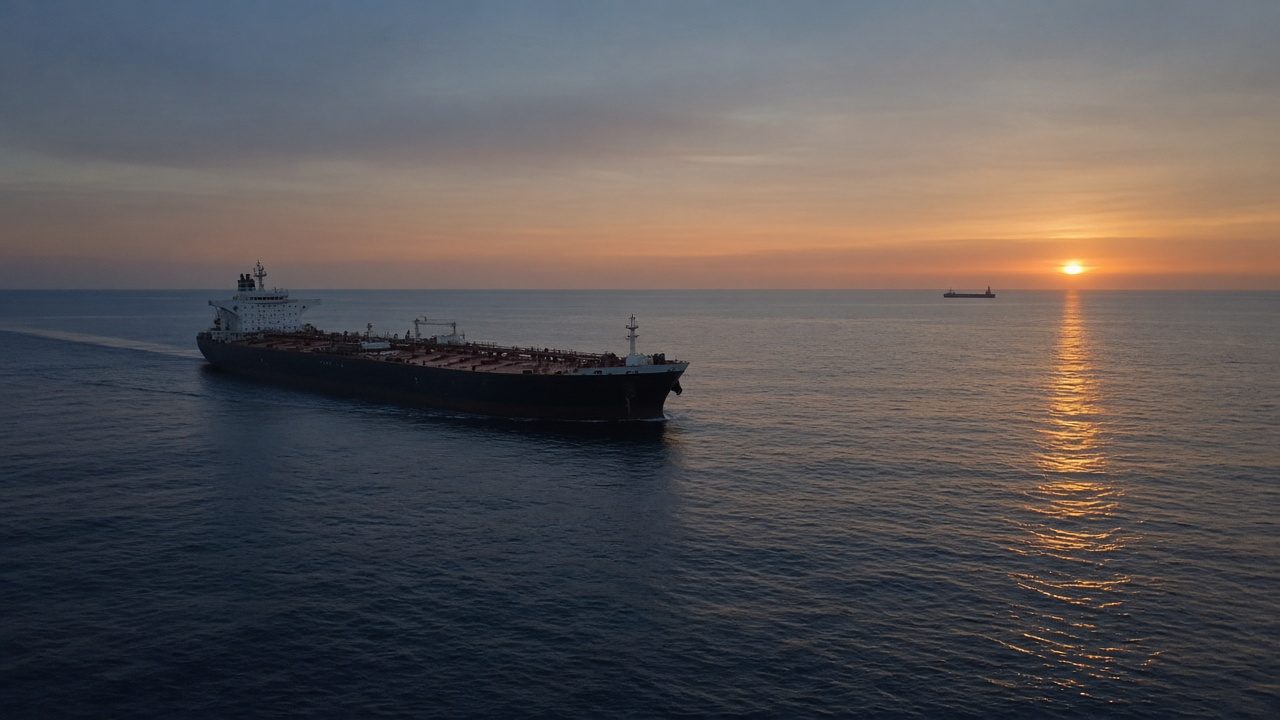
Late on 8 October Brent was $103.92 a barrel and WTI $91.18. Intraday reports the same day had Brent at $105.30 and WTI at $92.78. Against a pre-crisis baseline near $72, Brent still carries a premium of about 44%. The Brent–WTI spread was $12.74, a sign that seaborne barrels are pricing the route risk harder than inland US crude. A reported strike on a tanker off Qatar keeps war-risk cover and bunker surcharges in the box rate.
Sources: https://straitofhormuz.report/oil https://www.cnbctv18.com/energy/brent-crude-jumps-above-105-as-iran-war-fuels-fresh-fears-of-supply-disruption-20007735.htm
Europe’s carbon border levy under a US probe
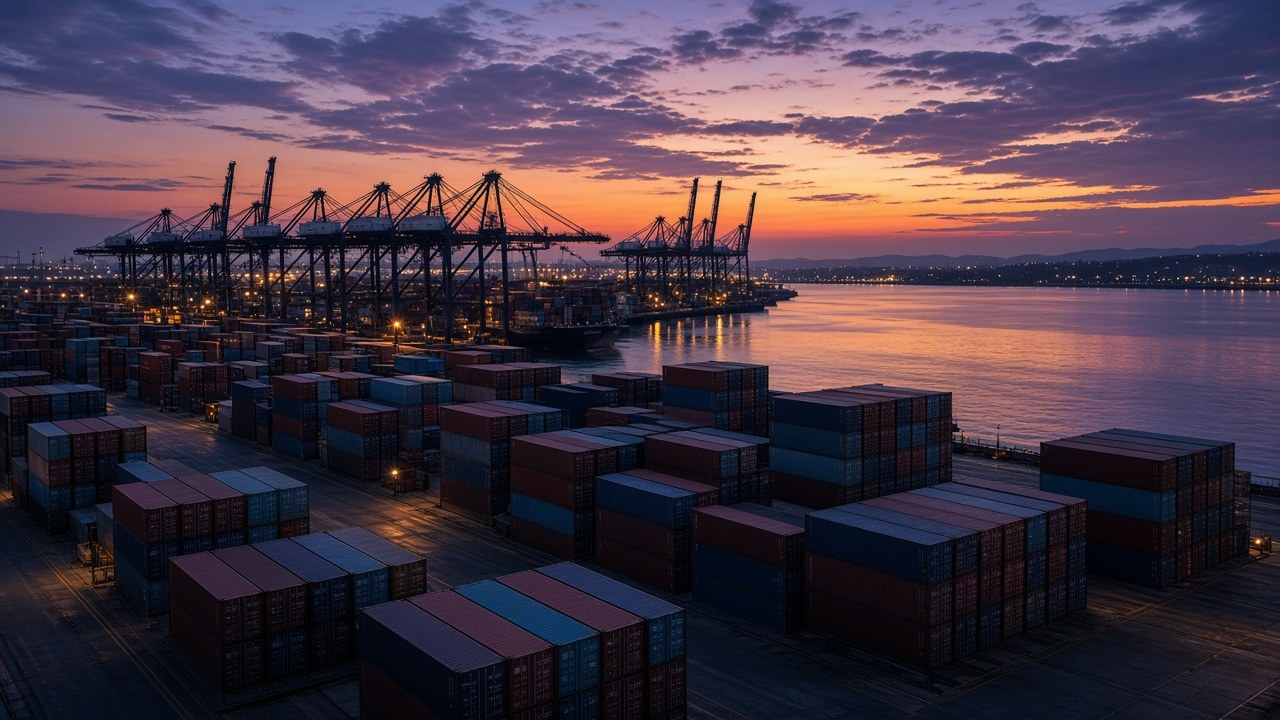
On 8 October Washington opened an investigation into whether Europe’s carbon border adjustment is an unfair barrier to US trade. Comments are due by 9 November. The levy has applied since January 2026 to aluminium, cement, fertilisers, hydrogen, iron and steel, and an extension to washing machines and auto parts is under discussion. The certificate price for the second quarter of 2026 was set at €75.28 per tonne of CO2. Steel at roughly two tonnes of CO2 per tonne of metal can carry a large carbon share of the export price, but 2026 liability starts near 2.5% of covered emissions and rises to 100% only by 2034. Missing plant data means default values, which cost more.
Europe’s trade lead is co-chairing the second Trade and Investment Council in Beijing on 8–9 October, pressing for caps on hybrid-vehicle shipments and an extension of the rare-earth licensing pause that ends on 10 November.
Sources: https://www.euronews.com/2026/10/08/us-probes-eu-carbon-border-tax-over-potential-trade-barriers https://en.sggp.org.vn/vietnamese-exporters-face-rising-carbon-costs-as-eu-cbam-tightens-pressure-post130163.html https://brusselssignal.eu/2026/10/brussels-presses-beijing-for-import-curbs-as-its-own-deadline-falls-due/
Dollar-won around 1,343
The dollar-won cross derived from the 8 October European reference rate was 1,343.46, up 4.77 won, or 0.36%, on the day. The session range was reported at 1,335.51–1,345.30. That is well below the July high near 1,558, but it still sits on top of dollar freight invoices.
Source: https://fxtribune.com/currencies/usd-krw/
What shippers should check now
Requote Pacific bookings against a spot market still near its high: East Coast figures around $10,000 per 40-foot box are the working number, not last year’s contract. Next week’s cut in Pacific blanks, from eleven to four, is the window to test space and rollover risk. On Asia–Europe, match any late-October FAK notice against the 13-week slide and against Suez transit times. In contracts, check how often the bunker clause resets.
Treat 1,340 won per dollar as the planning band for payment limits. Lock won conversions on the dealing bank’s fixing. Do not multiply the dollar figures in this note by a house rate and call it a quote.
Do not book the $30 billion tariff cuts until the legal notices are in force. Align HS codes and origin files now; do not pre-load the lower duty. China-linked port fees still lack a formal deferral, so wait for the carrier circular.
For EU-bound steel, aluminium and fertiliser, assemble measured emissions files before the 9 November comment window closes. Default values can exceed the €75.28 certificate. For magnets and rare earths, size buffer stock against the 10 November end of the licensing pause.
FAQ
How did container rates move on 8 October?
The world container index fell 2% to $4,351 per 40-foot box. Shanghai–Los Angeles was $7,624 and Shanghai–New York $10,220.
Do the US–China tariff cuts apply now?
Not yet. The truce was extended by two months and $30 billion of cuts on each side were agreed, but legal steps remain, so do not price the new rates in before they are formally in force.
Which goods does Europe’s carbon border levy cover?
Since January 2026 it has applied to aluminium, cement, fertilisers, hydrogen, iron and steel; the Q2 2026 certificate price was €75.28 per tonne of CO2.
Related posts
World Briefing 2026-10-10: Hormuz Tensions Keep Brent Near $104 and Freight Costs High
A strike on an LPG carrier in Hormuz kept Brent near $104 on 9 October. China's fuel-export restart and a WTO trade forecast raised to 3.9% now shape costs.
World Briefing 2026-10-08: Hormuz Attacks Keep Brent Near $100
Attacks in the Strait of Hormuz kept Brent near $100 as China reopened after its holiday. Transpacific box rates stay high and the won closed near 1,339.
World Briefing 2026-10-07: Hormuz Flows Recover, Tankers Don't
Brent settled at $100.58 as Gulf crude flows recovered but tankers stayed scarce. Dry-bulk freight eased and the dollar softened after weak US jobs data.
Brent Jumps 4% on US Carrier Reports: Trade Cost Impact
Brent rose 4.37% on 1 Oct after reports of a US carrier heading to the Middle East, then eased to ~$100. Freight, BAF and FX checks.
Collaboration & consulting: [email protected]
More in Markets & Economy: Global Sales & Market Research